
PCNL Treatment for Kidney Stones

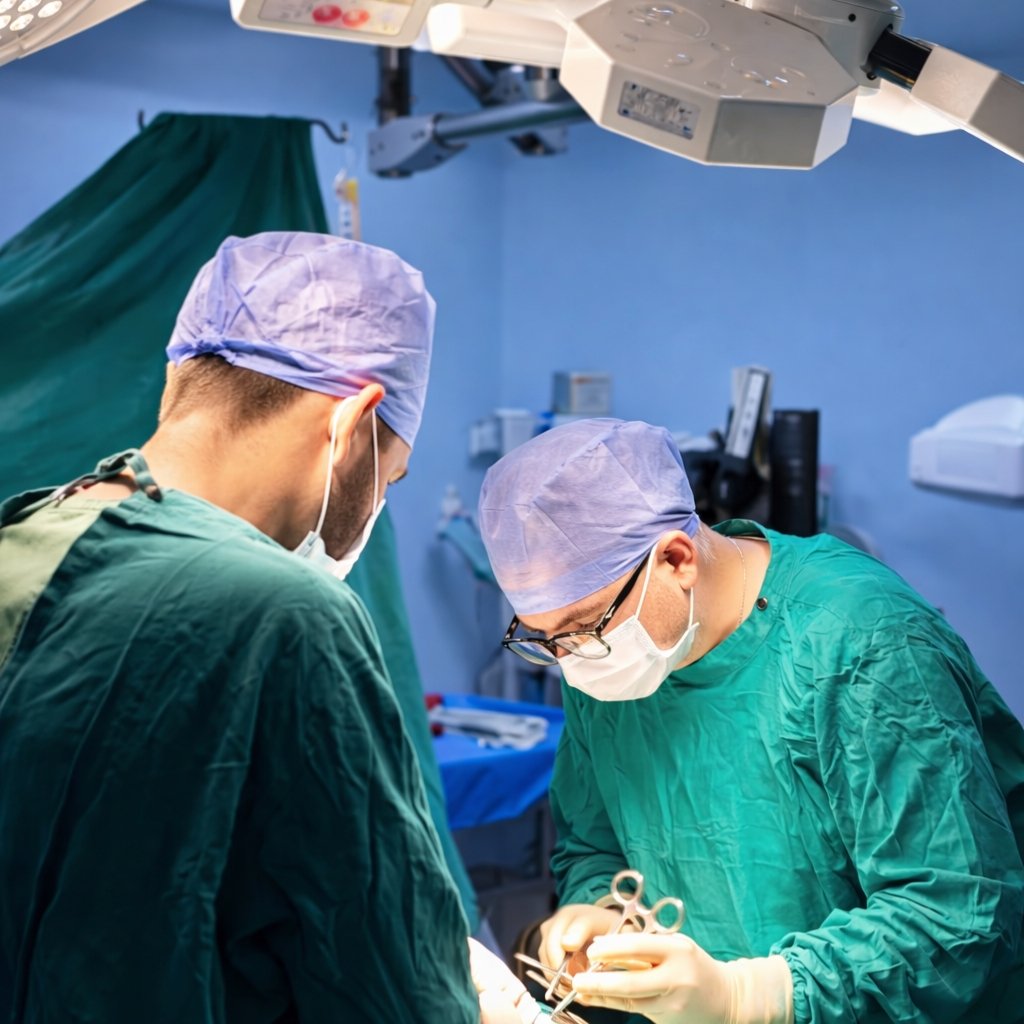
Percutaneous Nephrolithotomy (PCNL) is a minimally invasive surgery to remove large kidney stones via a small back incision, using a nephroscope.

What Is PCNL?

PCNL is a minimally invasive kidney stone removal procedure in which stones are removed through a small incision in the back. A nephroscope is used to locate and extract or break the stones, ensuring complete stone clearance. PCNL is recommended for large kidney stones, multiple stones, or stones that are hard or irregular in shape.

Advanced PCNL Surgery for Large Kidney Stones

PCNL (Percutaneous Nephrolithotomy) is an advanced surgical procedure used to remove large or complex kidney stones that cannot be treated with medication or other minimally invasive methods. We offer safe and effective PCNL treatment with a focus on precision, faster recovery, and long-term relief.
When Is PCNL Recommended?

Benefits of PCNL Treatment

Recovery After PCNL

Why Choose Us

Use Our Services For
Your Health

With over 18 years of clinical experience, Dr. Yogesh Taneja specializes in minimally invasive urological procedures and provides personalized treatment plans using advanced medical technology. His compassionate and patient-friendly approach ensures safe, effective, and comfortable care for every patient.

1. Is PCNL a major surgery?

PCNL is a minimally invasive surgery, not an open surgery. It involves a small incision and offers faster recovery compared to traditional surgical methods.

2. Is PCNL painful?

PCNL is performed under anesthesia, so there is no pain during the procedure. Mild discomfort after surgery is common and managed with medication.

3. How long does PCNL surgery take?

The procedure usually takes 1 to 3 hours, depending on the size and number of stones.

4. How long does it take to recover after PCNL?

Most patients recover within 1–2 weeks. Light activities can be resumed earlier, while full recovery depends on individual healing.

5. Are kidney stones likely to return after PCNL?

PCNL removes existing stones completely, but new stones can form. Proper hydration, diet changes, and regular follow-ups help prevent recurrence.

Don’t Miss These Expert Insights